⏱️ From Scheduling Theory to Space Exploration 🚀
In my research, I use statistics 📈, probability theory 🎲, machine learning 💻➕🎓, randomized algorithms 🎲➕🧮, mechanized formal verification 🔢➕⚙️, and related methods to analyze and control the timing behavior of complex cyber-physical systems. The theoretical foundations of my work aim to provide rigorous (ideally mechanized-proof-supported) analysis and certification of timing behaviour, establish formal guarantees of system safety, and develop uncertainty-aware scheduling algorithms that can effectively address the NP-hard complexity inherent in many contemporary scheduling problems.
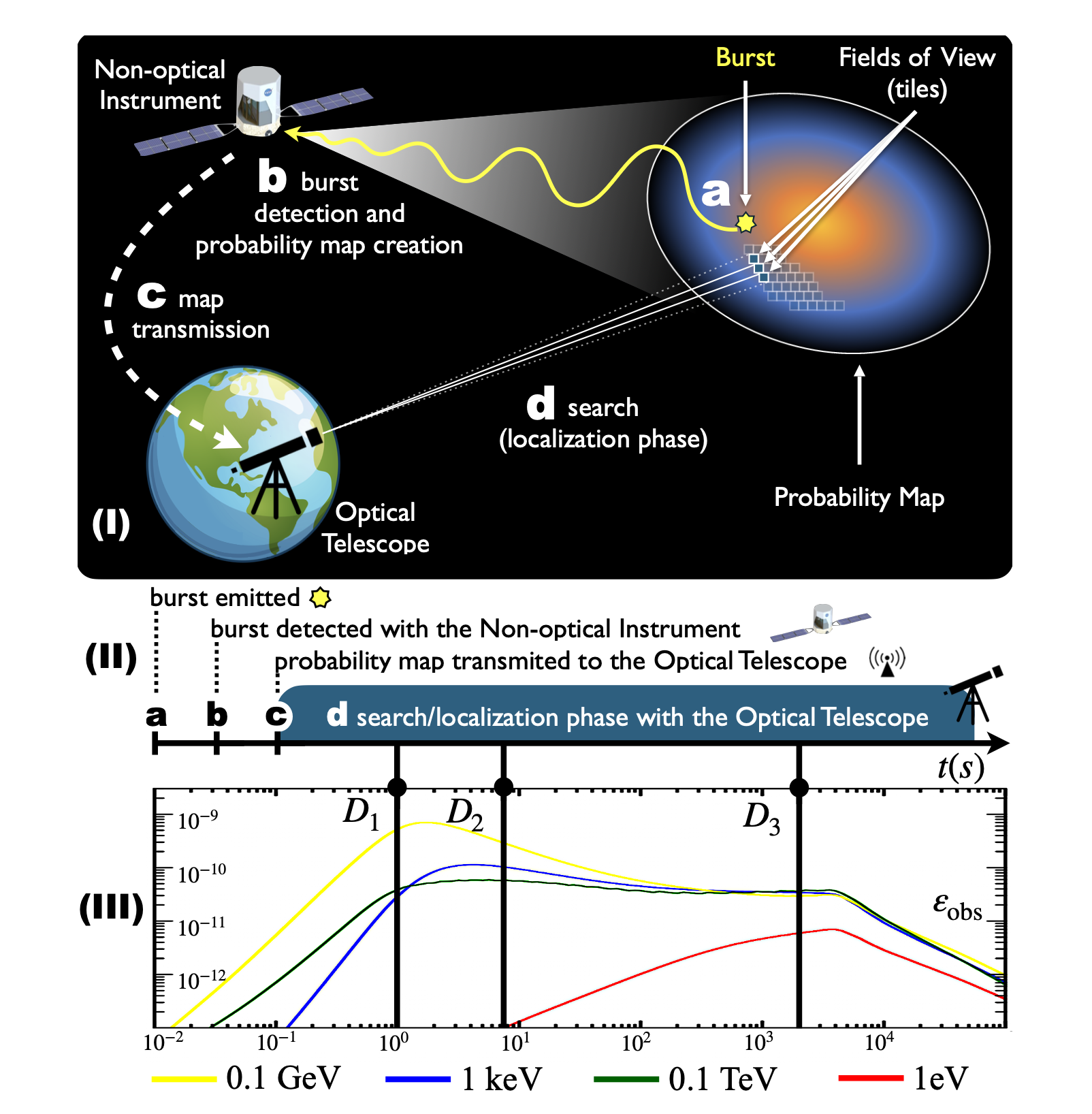
Building on these foundations, my research extends to real-world applications, contributing not only to the development of scheduling algorithms, formal proofs, and timing-inference methods, but also to their application in the design and evaluation of deployed systems. For example, I collaborate with NASA Ames Research Center on our timing-inference tool LiME, which we are actively developing for prospective integration into their safety procedures and timing validation pipeline. I also contribute to the NASA suborbital mission ADAPT, where we develop uncertainty-aware scheduling methods for the timely observation of transient astronomical phenomena, including gamma-ray bursts, novae, and supernovae.
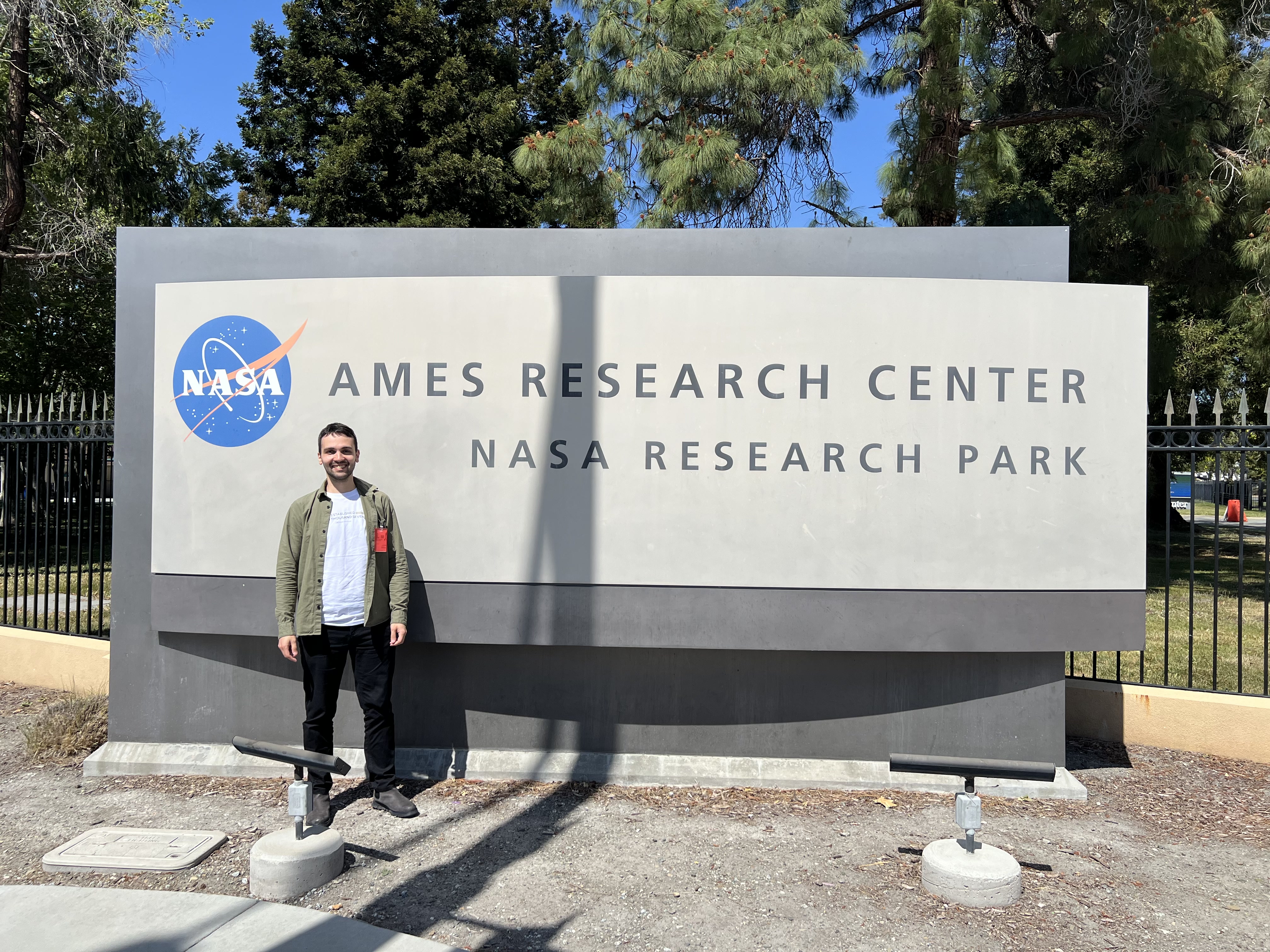
You can see me below at NASA Ames, where I was invited for a research visit in May 2025. This occasion symbolically united my scientific work with my childhood passion for astronomy (as my grin makes it clear 😁). Alongside this, I share a few more figures from my recent papers at the intersection of scheduling theory and astronomy. I leave them intentionally unexplained here, in the hope that they spark your curiosity to explore my publications and perhaps ignite a discussion if we meet in person.
Finally, I wish to acknowledge with gratitude my colleague and friend Marion Sudvarg for inviting me to contribute to the ADAPT mission, which has already led to one RTSS’25 publication (to be presented soon) and two at ICRC’25. Collaborating on this mission is immensely rewarding, scientifically and personally.